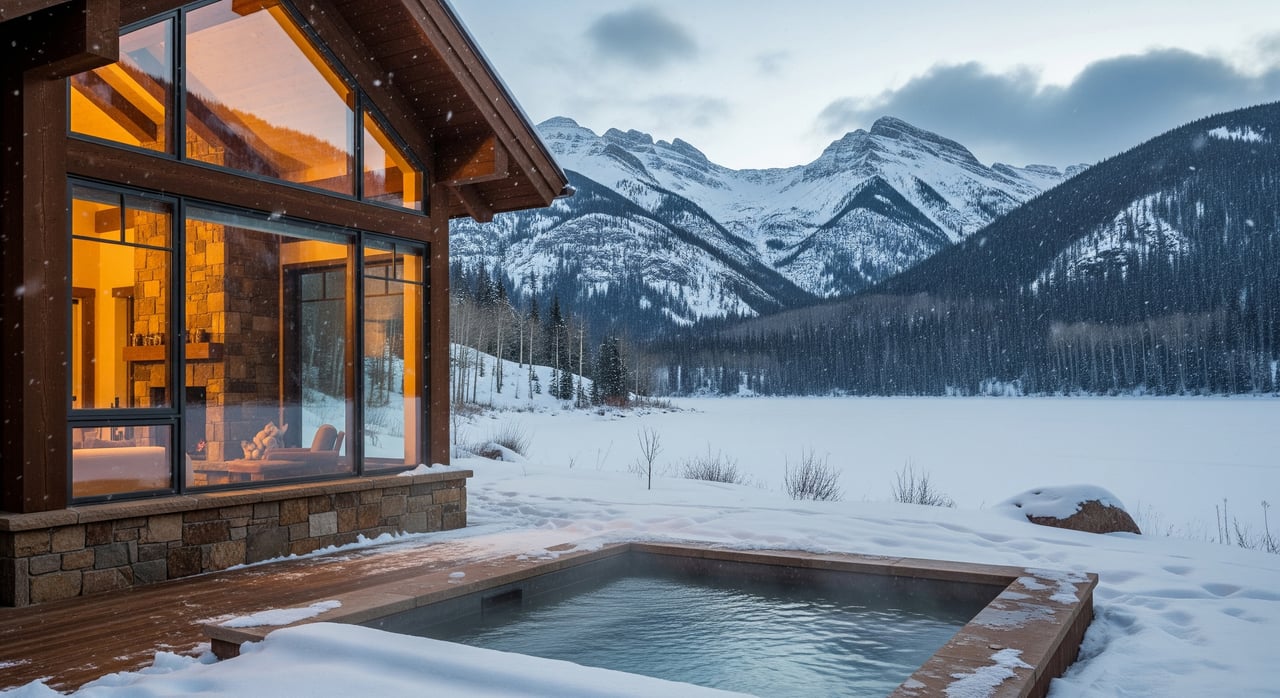
Ophir Winter Living Tips for Life in Trout Lake
December 18, 2025
December 18, 2025
Thinking about wintering in Ophir or Trout Lake and wondering what daily life actually looks like once the snow stacks up? You’re not alone. Many buyers love the scenery and privacy here but want a clear picture of how roads, homes, and routines work when temperatures drop. In this guide, you’ll learn what to expect with snow rhythms, travel to Telluride, the home features that really matter, and how to prepare for a smooth season. Let’s dive in.
Winter in Ophir and Trout Lake sits firmly in a high‑alpine setting. You’ll see frequent snow events and cold, sunny stretches in between. Elevation and topography play a big role in how conditions feel day to day.
South-facing slopes and valley bottoms often warm and clear sooner. Shaded north aspects and wind‑exposed ridgelines tend to hold deeper snow and firm wind slabs longer. Conditions can vary a lot over short distances, even on the same road.
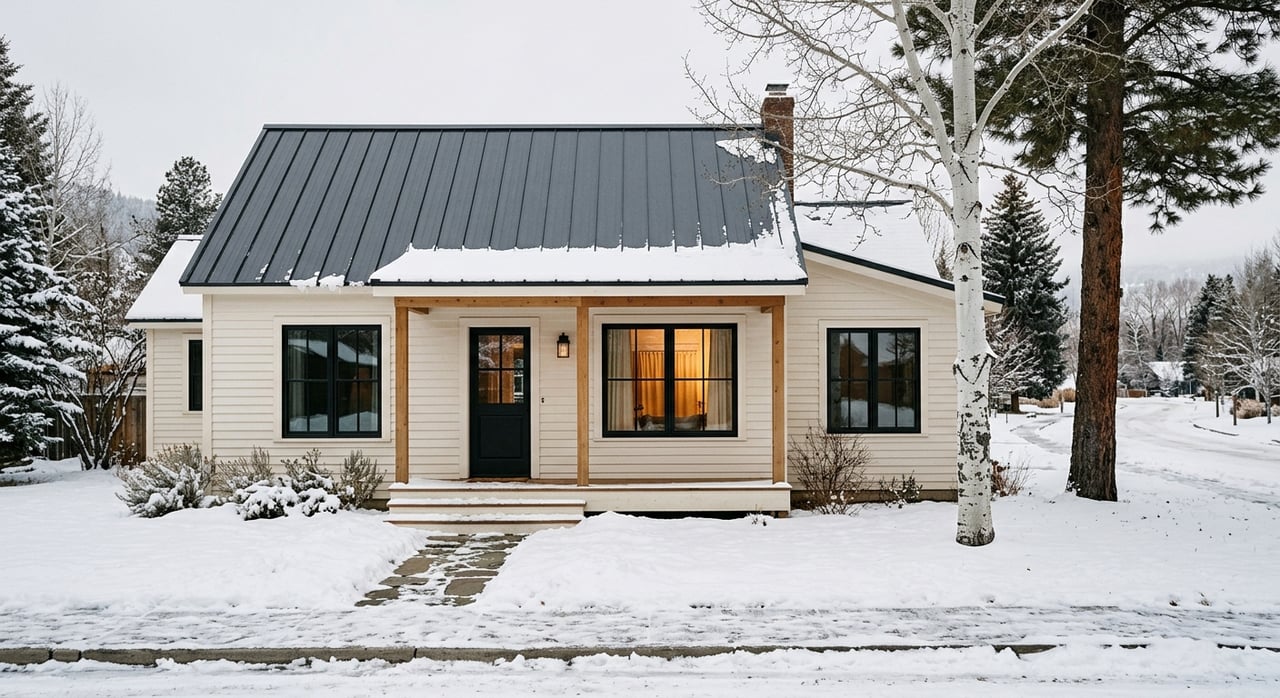
Heavy snow loads make roof design and structural integrity important. Freeze‑thaw cycles can create ice dams, slick walkways, and frozen pipes without proper protection. Solar gain helps during the day, but nights are commonly well below freezing, so efficient heating and insulation matter.
Road maintenance in winter is shared by multiple entities. Understanding who does what will help you plan commutes and deliveries.
State highways and major routes are maintained by the Colorado Department of Transportation. County roads fall under San Miguel County. Private roads and driveways are the responsibility of homeowners or HOAs. Before driving, many residents check CDOT and county advisories for closures and traction requirements.
Access routes are true mountain roads with grades, curves, and limited shoulders. Plowing is routine on main corridors and slower on minor county roads and private lanes. During storms, expect temporary closures, slowdowns, or controlled avalanche mitigation that can delay travel.
A quick commute in clear weather can take much longer during active snowfall. Chains or approved traction devices may be required. Plan for extra time, and build flexibility into your schedule when a storm is inbound.
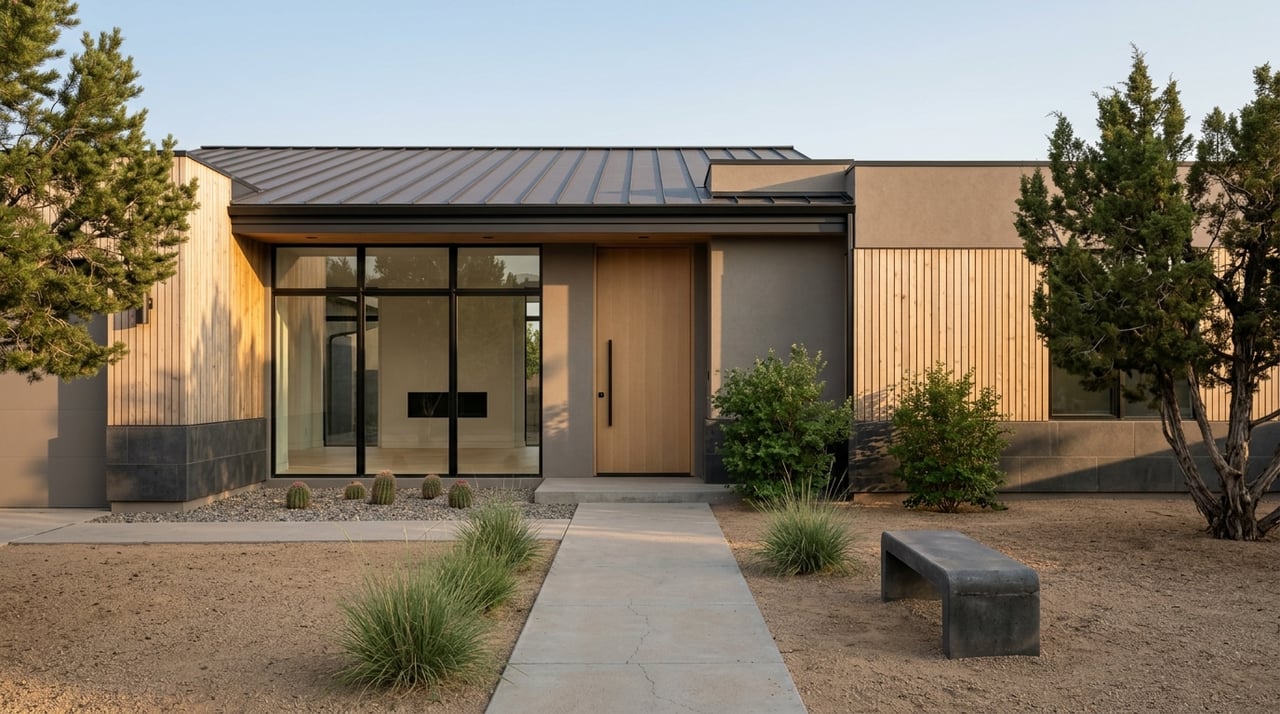
A home that’s designed and maintained for winter reduces daily friction and protects your investment.
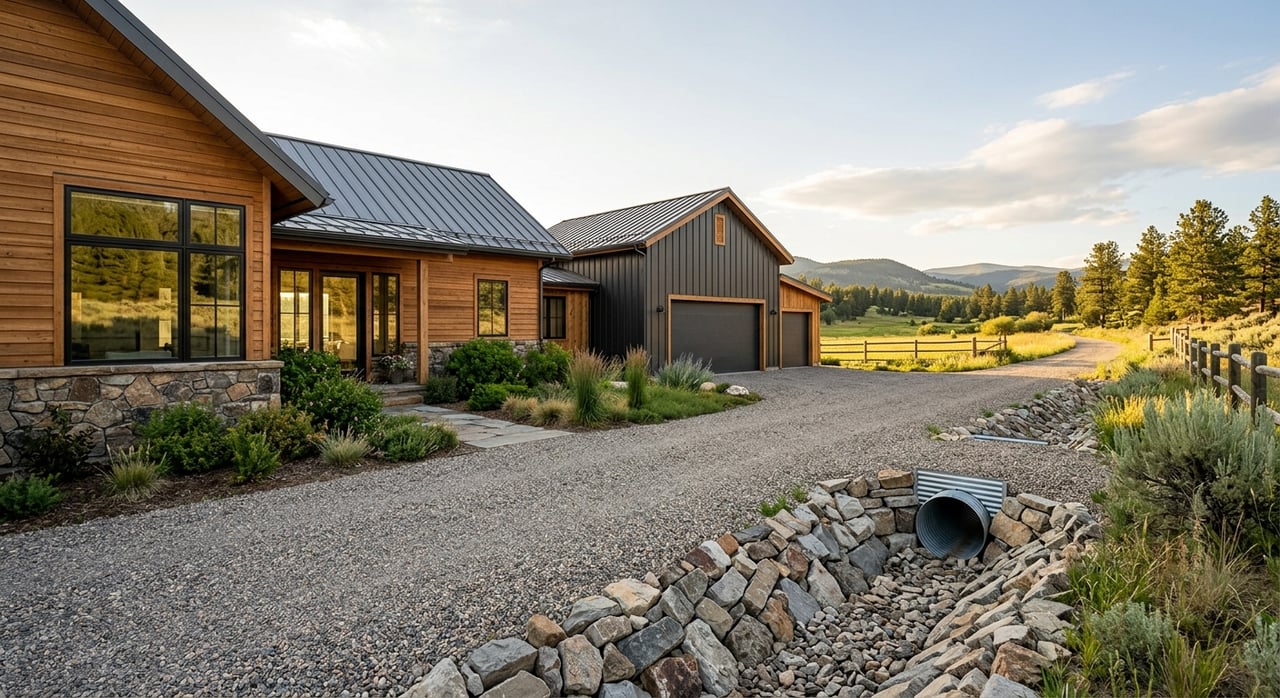
An enclosed or heated garage makes cold mornings simpler and protects gear. Look for driveways with gentle grades and a safe turnaround, especially if you plan to plow regularly. Evaluate where plowed snow will go so snowbanks do not block sightlines, walkways, or doors.
Common mountain systems include propane furnaces, electric heat, and efficient wood or pellet stoves. Confirm propane tank size, whether it is owned or leased, and delivery schedules. A transfer switch and space for a generator provide peace of mind during outages.
Frozen pipes are preventable with good design. Prioritize insulated walls and crawlspaces, heat tracing on exposed lines, and indoor shutoffs. Make sure well pumps and external equipment are insulated or housed.
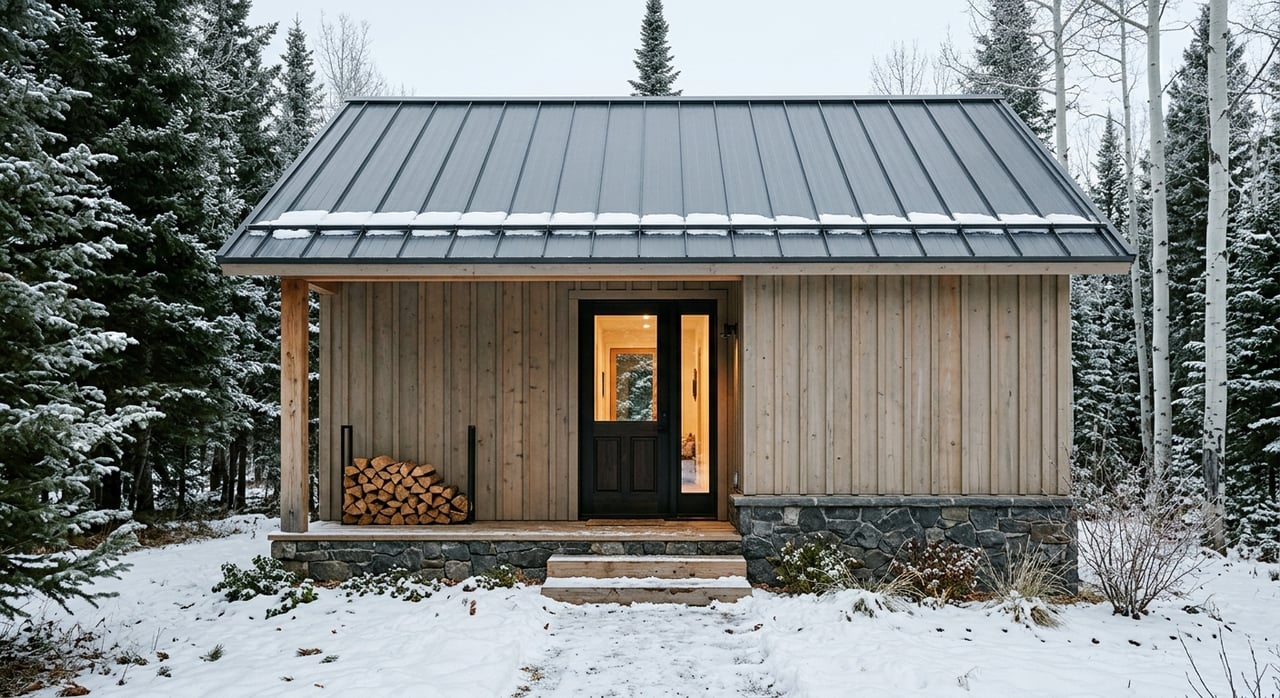
Roof pitch and snow‑load rating are key. Some homes are designed to shed snow, while others use snow guards to control it. Gutter heat tape, roof raking, and professional roof and deck snow removal may be needed after big storms.
Daily winter life is easier with a true mudroom. Look for space with benches, hooks, boot storage or dryers, and room for skis and wet layers. A dedicated gear area prevents tracking snow and water through living spaces.
Frozen ground affects septic systems and drainfields. Confirm locations, depth, and accessibility for maintenance. Avoid piling deep snow over critical components you might need to reach in winter.
Winter living also means planning for seasonal service schedules and building resilience at home.
Snow removal vendors, fuel delivery, HVAC maintenance, and chimney service are in high demand when storms hit. Many owners book seasonal plow contracts and set fuel delivery schedules early so they are not waiting during peak weather.
Mail and parcel delivery can be slower in storms. Some remote addresses use centralized pickup points. Waste collection and municipal services may be delayed during heavy weather, so expect occasional schedule changes.
Response times can be longer in remote mountain areas. Keep house numbers clearly visible, maintain multiple communication options if cell service is spotty, and stock extra food, water, and heat sources in case you need to shelter at home for a bit.
Use this list when touring properties or planning inspections in winter:
If you love quiet alpine settings, big snow days, and a tight‑knit mountain lifestyle, Ophir and Trout Lake can be a great fit. The key is matching your home’s design and systems to the climate, then building a simple plan for roads, fuel, and services. With the right setup, winter feels less like a hurdle and more like the reason you are here.
Ready to explore winter‑ready homes and talk through the details of access, fuel, and maintenance planning? Connect with Maggie Martin for local guidance tailored to your lifestyle and budget. Schedule a Telluride market consultation. ¿Hablamos?
Stay up to date on the latest real estate trends.

What the Farmers’ Almanac Predicts for Winter 2026–2027

I would not have chosen this career if I was unable to live by my moral code at all times and I’m incredibly grateful to be doing what I love in my favorite place on the planet. It is my passion to help people make wise investments that improve their lives and it would be my absolute honor to earn your business and help you navigate the Telluride market.