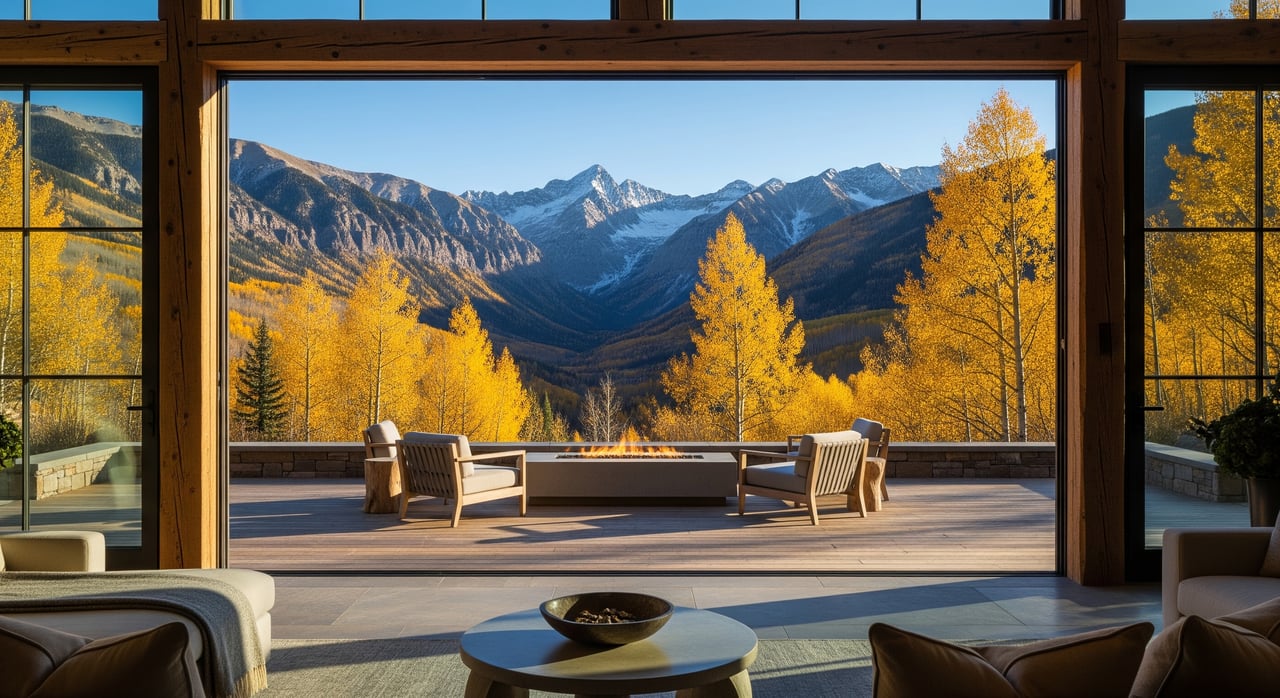
Living in Telluride Year Round: Seasons, Rhythm & Daily Life
February 5, 2026
February 5, 2026
Is Telluride calling you beyond a ski week or summer festival? Living here full time feels different from visiting, and that can be a good thing. You get a close-knit community, a rhythm shaped by seasons, and practical details you will want to plan for. In this guide, you will learn what a year in 81435 really looks like, how daily life works, what to expect from housing and services, and a checklist to help you move with confidence. Let’s dive in.
From November through March, town hums with ski energy. You will shovel, watch the weather, and plan extra time for school drop-offs or work. Restaurants and shops are in full swing, and peak days can make parking tight. Your routine may include early gondola rides, flexible schedules, and a smart winter driving plan.
April and May bring a true shoulder season. Trails can be muddy and some businesses reduce hours or close briefly. Many locals use this window for home maintenance like roofs, eaves, and utility checks. You will also find a calmer pace for errands and contractor scheduling.
June through August is your second high season. Hiking, biking, fishing, and festivals fill the calendar, and daylight lingers. Trails and outdoor dining are popular, and recreational businesses are at full capacity. If you work locally, expect busy weeks around major events.
September and October slow down again. A few festivals continue early in the season, then hours shorten at some businesses. It is a great time to enjoy town trails and plan ahead for winter supplies. You may also find more options for short-term rentals if you are scoping the area before buying.
Telluride’s compact layout makes daily life walkable and bike friendly. Many residents commute on foot within town limits. The free gondola connecting Telluride and Mountain Village is a daily convenience for jobs, shopping, and trail access.
For regional travel, you will rely on a vehicle or shuttle service. Telluride has a mountain airport with seasonal service, but most residents use Montrose Regional Airport for fuller flight options. Winter roads can be steep and narrow, so plan for 4WD and winter tires during storms.
Deliveries can take longer than in big cities. During winter or shoulder seasons, supply lags are normal, so you will want to keep essentials on hand and order early for projects.
At roughly 8,700 to 8,800 feet in town, homes need the right design and maintenance for long winters. Good insulation, a roof rated for snow load, and a heating system sized for the climate are essential. Properties may use natural gas, propane, or electric heating, and some outlying parcels rely on wells and septic systems.
Internet is generally strong in town, while outlying areas can be more variable. Fixed wireless or satellite may fill gaps for remote parcels. Weather can extend power outages, so many owners add backup generators as part of a resilience plan.
Healthcare includes local clinics and urgent care for routine and immediate needs. For specialized care or serious injuries, you will travel to larger regional hospitals such as those in the Montrose or Grand Junction area. Local EMS and volunteer resources support the community, but response times and evacuation logistics vary for remote properties.
Public K–12 education is served by Telluride School District, with small class sizes and community-oriented programs. Capacity can be limited, and secondary or specialized options are fewer than in metropolitan areas. Childcare and early learning spots are in high demand, so families often plan ahead and join waitlists early.
Grocery stores and specialty markets in town cover daily needs. Prices and selection reflect mountain logistics, and locals make occasional trips to larger towns for specialty items. Trades like plumbers, electricians, and carpenters are available, yet seasonal demand can book them out, so plan maintenance well in advance.
Telluride is a high-value resort market with low inventory. Single-family homes often sell at a premium and many properties are second homes or investments. If you are exploring options, start early and be prepared to act when the right fit appears.
Deed-restricted and workforce housing programs help support year-round residents. These properties can include occupancy rules, resale conditions, and price limitations. Short-term rentals are an important part of the local economy, and policy evolves to balance tourism and housing needs. Always verify STR licensing, caps, and HOA rules for each property you consider.
The local economy is rooted in tourism, with major employers in the ski resort, hospitality, dining, outdoor guiding, arts, and construction. Winter and festival seasons drive hiring. Remote professionals and small business owners also live here year round, though consistent broadband and a quiet workspace are practical considerations.
You should budget for a higher cost of living due to housing, grocery logistics, heating needs, and vehicle requirements. Planning for seasonal expenses like snow removal and travel to regional airports helps keep surprises low.
Telluride’s year-round population is small, and that creates strong community ties. You will find volunteer opportunities, civic engagement, and familiar faces at events and school activities. A rich arts calendar anchors local life, including Mountainfilm in late May, Telluride Bluegrass in mid June, the Film Festival in late August, and Blues & Brews in early fall.
Festivals bring energy and visitors, plus traffic and hotel demand. Conversations in town often focus on housing affordability, tourism growth, environmental stewardship, and how to keep community character strong during peak seasons.
Backcountry access is close, which means avalanche awareness matters. If you ski or ride outside the resort, seek training and check current forecasts each time you go. Wildfire and smoke can affect air quality and travel, so learn local mitigation and evacuation plans.
Winter storms can briefly isolate the region and impact roads. Keep extra food, water, and medications at home, and set up communication backups in case of outages. Wildlife like bears and elk are present, so secure trash and follow local guidance.
If you want a quiet, integrated pace, explore deed-restricted neighborhoods or long-term rental areas with more year-round residents. Get involved with civic groups and plan purchases during quieter months. This approach helps you settle into local life.
If you want activity and easy access, look near downtown, the gondola, or Mountain Village. You will be close to events, trails, and services. Before you buy, confirm HOA rules and any rental restrictions so your plans match the property.
Year-round living here is rewarding when you plan for seasons, services, and community life. If you are weighing neighborhoods, property types, or deed-restricted options, you do not have to figure it out alone. Schedule a conversation with a local who understands both luxury listings and everyday logistics. When you are ready, connect with Maggie Martin to map your next steps. If you prefer Spanish, con gusto te ayudamos.
Stay up to date on the latest real estate trends.

I would not have chosen this career if I was unable to live by my moral code at all times and I’m incredibly grateful to be doing what I love in my favorite place on the planet. It is my passion to help people make wise investments that improve their lives and it would be my absolute honor to earn your business and help you navigate the Telluride market.