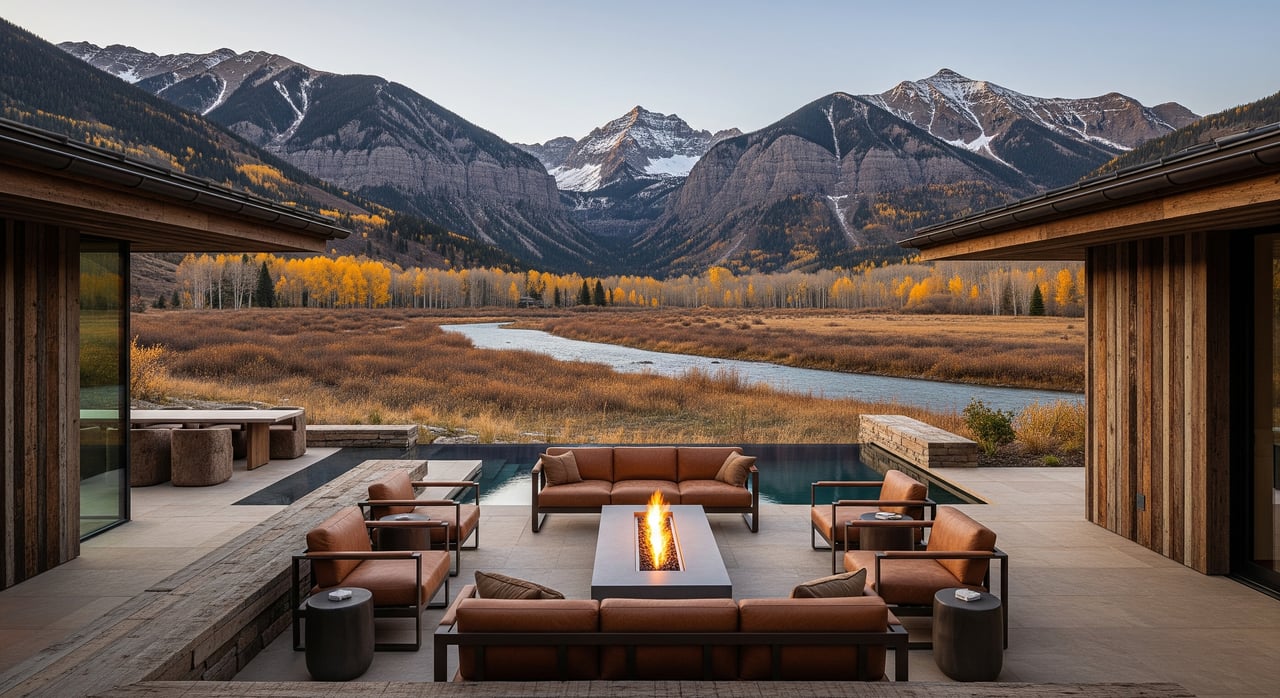
Placerville Down Valley Living Near Telluride Explained
January 1, 2026
January 1, 2026
Looking for more sunshine, space, and privacy without losing easy access to Telluride? You are not alone. Many buyers weigh in‑town convenience against the lifestyle perks you find just down the valley. In this guide, you will learn what locals mean by “Down Valley,” how it feels through the seasons, what kinds of properties and utilities to expect, and the key trade‑offs to consider before you buy. Let’s dive in.
Locals use “Down Valley” to describe the lower‑elevation stretch of the Telluride drainage beyond the town core and the on‑mountain neighborhoods. That includes communities like Sawpit and Placerville, plus parcels on the valley floor and nearby mesas and ranchlands. You are outside the compact, walkable grid of Telluride and the ski‑focused Mountain Village setting.
Many Down Valley properties sit along the river corridor or on flatter benches and mesas. This terrain often provides different views, more direct sun in certain spots, and more usable outdoor space compared with in‑town or steep mountainside lots.
Most Down Valley addresses are a short drive to downtown Telluride. Locals often describe the drive as about 10 to 30 minutes depending on the exact location, road alignment, and weather. In clear conditions the trip can feel quick, but winter storms and icy stretches add time.
Public transit options are more limited than in town. If you plan to commute for work or school, build in a buffer for winter and occasional slowdowns. Test the route you expect to drive during both summer and winter before you decide.
Because it sits at a lower elevation, the Down Valley corridor generally sees somewhat milder winter temperatures and an earlier spring melt than in town. That can mean less time in deep freeze and a longer growing season for landscaping and gardens.
Sun exposure varies a lot from parcel to parcel. South‑facing slopes and mesas often feel warmer on sunny winter days. Sheltered valley floor pockets can be calm, while other low spots may collect cold air under still conditions. Microclimates change over short distances, so ask neighbors and observe the site at different times of day and season.
If you want space, Down Valley delivers.
Many parcels span 1 acre or more, and some offer multiple acres. Larger lots mean more privacy, room for hobbies, potential for horses or a small garden, and easier building sites on flatter ground. Vegetation ranges from riparian corridors near the river to sage and grasslands on the mesas.
Unlike in‑town addresses that usually have municipal water and sewer, many Down Valley properties rely on private wells, shared water systems, and onsite septic. Check district boundaries to see whether municipal hookups are available at a given address.
Electric service is available throughout the region, but broadband varies by location. Rural parcels may use satellite or fixed wireless where fiber or cable has not reached. For trash and recycling, county or private providers may pick up less frequently than in town. Mail can be to a roadside cluster or a PO box depending on the property.
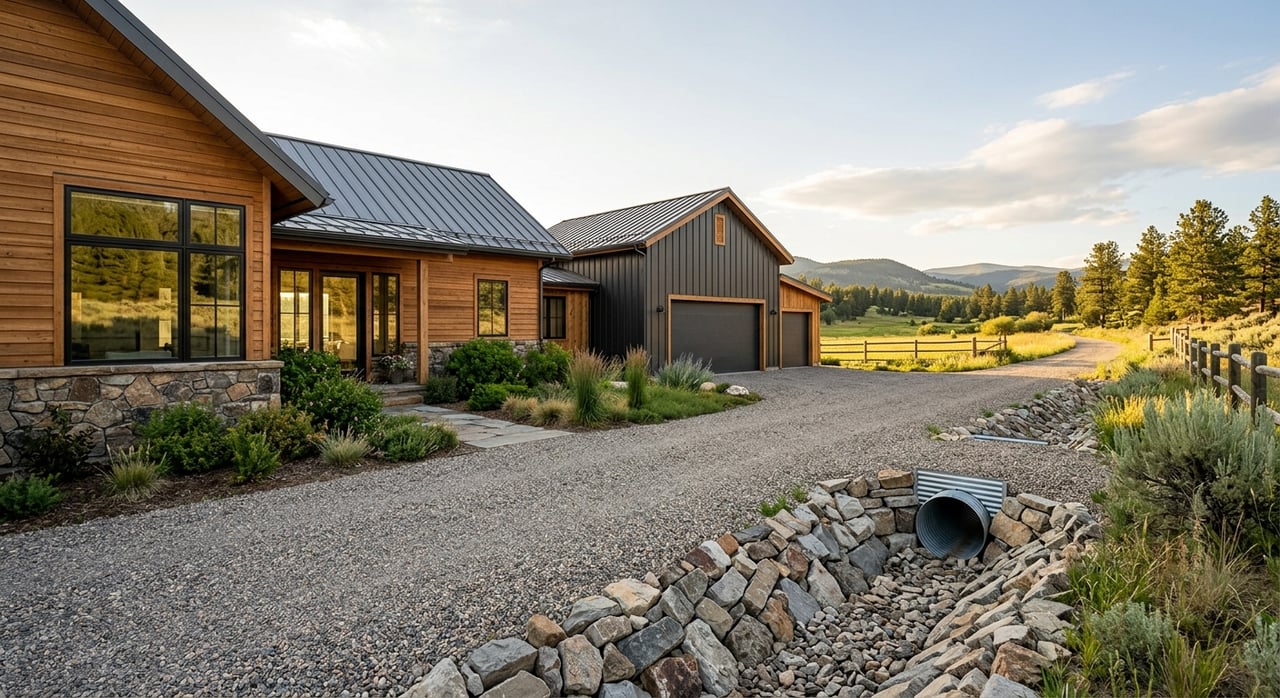
Roads in the corridor include county or state routes with set maintenance schedules. Some private lanes and longer driveways require owner or HOA plowing. In storms you may see 4WD or tire chain requirements on certain sections.
What feels like a quick 15‑minute drive in October can double during a heavy snow. Plan your vehicle choice, winter tires, and emergency supplies accordingly. If a home sits on a private road, confirm who plows, how it is funded, and whether there are any access easements.
Zoning sets minimum lot sizes, allowed uses, setback rules, and whether you can add an accessory dwelling. Building on rural land usually involves extra steps such as well permits, septic design and approval, driveway permits, and stormwater plans. Always verify parcel‑specific details with the county planning department before you make changes or break ground.
If you are thinking about short‑term rentals, know that county rules differ from the town of Telluride and Mountain Village. Licensing, taxes, and neighborhood covenants can apply. Check the current standards for the exact address and any HOA.
Riverfront and near‑river parcels can offer beautiful access and views. They may also sit in a FEMA‑mapped flood zone. Lenders can require flood insurance, and you may need elevation certificates or flood‑proofing.
Wildfire is another key consideration in this wildland‑urban interface. Insurers may look for defensible space and vegetation management. Ask about emergency access routes and local history for the property and surrounding area.
Property taxes are assessed by the county based on value and local mill levies. Carrying costs also include utilities, private road or shared well expenses, and any special district or HOA fees.
On resale, the strongest value drivers Down Valley tend to be acreage, privacy, views, river frontage, and ease of building. Trade‑offs that can affect pricing and time on market include longer commutes, fewer municipal services, and the need to manage wells, septic, and connectivity.
Consider Down Valley if you want elbow room, sun, and quiet without moving far from skiing, dining, and town life. You will likely get more land and privacy for your budget, plus diverse property styles to choose from. The trade‑offs are longer winter drives, more hands‑on utility and road management, and careful due diligence for flood and wildfire.
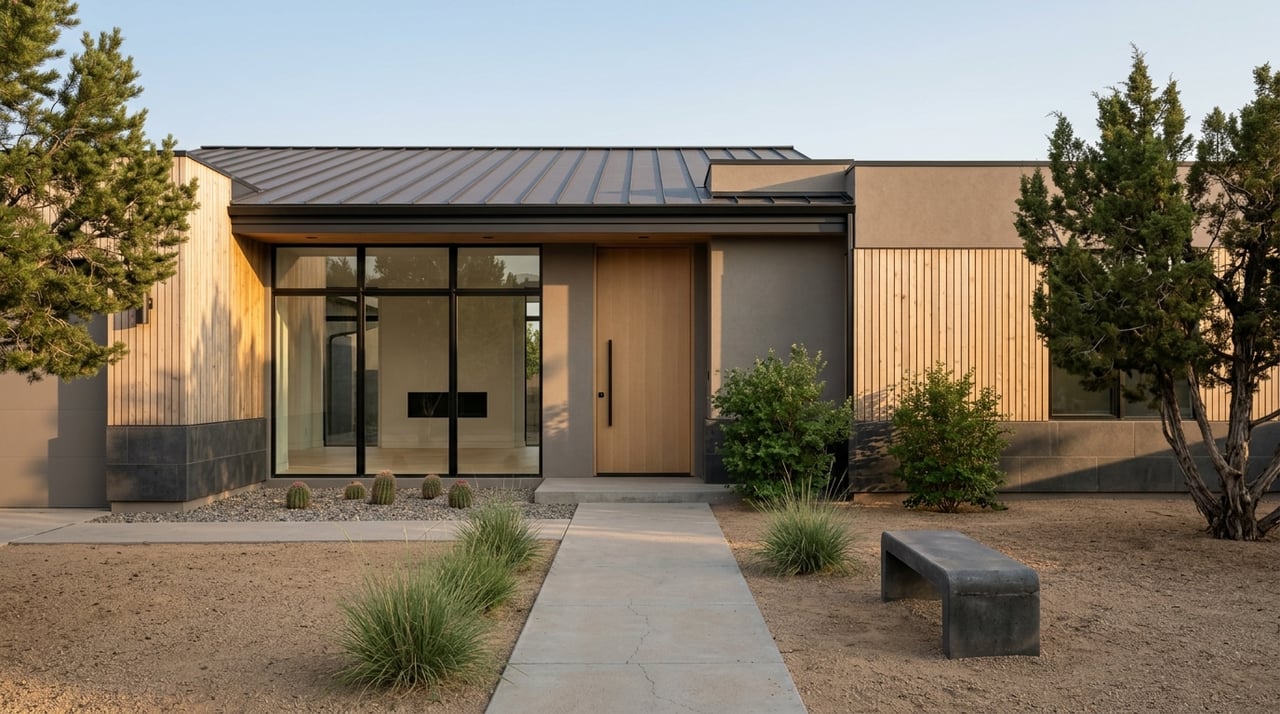
If you love the idea of a small ranch, a modern home with a shop, or a riverfront retreat where you can hear the water at night, this corridor is worth a close look.
A good Down Valley purchase starts with clear expectations. I help you map commute times in both summer and winter, verify utilities and permits, and weigh the trade‑offs between in‑town convenience and out‑of‑town space. You will get practical guidance on wells, septic, flood and wildfire considerations, and a clear strategy for offer terms and inspections.
Whether you are a first‑time buyer, moving up, or securing a second home, you can count on detail‑oriented, ethics‑first representation and polished marketing if you are selling. Hablamos español.
Ready to explore Sawpit, Placerville, or nearby mesas with a local who knows the nuances parcel by parcel? Schedule a Telluride market consultation with Maggie Martin.
Stay up to date on the latest real estate trends.

I would not have chosen this career if I was unable to live by my moral code at all times and I’m incredibly grateful to be doing what I love in my favorite place on the planet. It is my passion to help people make wise investments that improve their lives and it would be my absolute honor to earn your business and help you navigate the Telluride market.