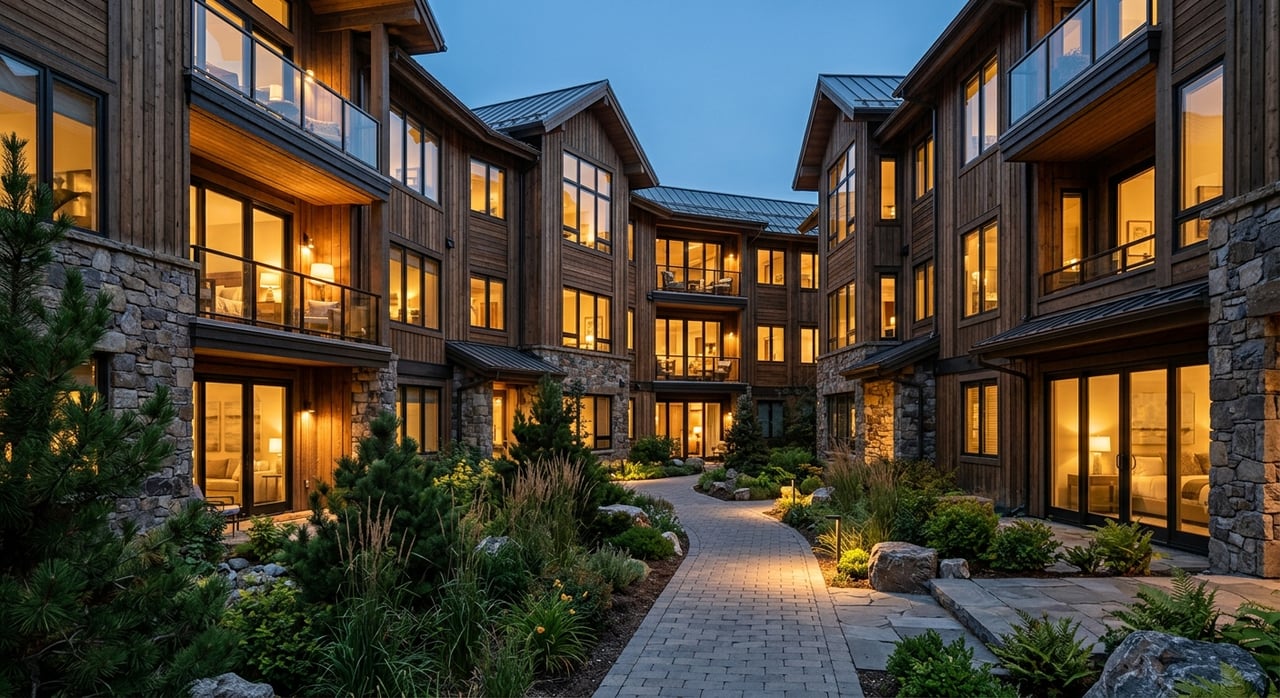
Mountain Village Short Term Rental Rules for Buyers
April 16, 2026
April 16, 2026
If you are buying in Mountain Village because you want personal enjoyment and short-term rental income, one assumption can get expensive fast: thinking every condo or resort-area property can be rented nightly. In Mountain Village, short-term rental rules are shaped by zoning designation, building rules, licensing, taxes, and sometimes mandatory rental-pool requirements. If you understand those layers before you write an offer, you can avoid surprises and make a much more confident decision. Let’s dive in.
In Mountain Village, a short-term accommodation is defined as a building or unit occupied for fewer than 30 consecutive days and not as a primary residence, according to the Mountain Village Municipal Code. That definition sounds simple, but the real issue for buyers is whether a specific property is actually allowed to operate that way.
A Mountain Village address alone does not make a property STR-eligible. The Village Center zone district can include hotel units, hotel efficiency units, lodge units, efficiency lodge units, condominium units, workforce housing units, and commercial uses. That means two units in the same area, or even the same project, may have very different rental rules.
The first question in any Mountain Village deal is not just, “Can this property rent short term?” It is, “What is the recorded designation of this specific unit?” That distinction drives how you should evaluate value, use, and flexibility.
According to the town’s condominium zoning designation materials, hotel, hotel efficiency, lodge, and efficiency lodge units may exist within condominium communities. In other words, a unit may look like a typical condo from the outside while operating under a very different land-use framework.
The same town guidance notes that efficiency lodge units are intended for short-term accommodation use and not as a primary residence. It also explains that some zone-district provisions prohibit short-term accommodation use on specific lots, which is why parcel-level review matters.
This is one of the biggest sources of confusion for buyers. In many resort markets, people casually refer to everything as a condo, but Mountain Village makes sharper distinctions.
A unit with condominium ownership does not necessarily have condominium zoning in the way buyers often assume. Before you rely on projected rental income, you need to confirm the actual designation in the town records and compare it with the building documents.
If you are looking at workforce or affordability-oriented inventory, short-term rental income is generally not part of the equation. The town states that YES deed-restricted program units cannot be short-term rented, and second-home use is prohibited.
That does not make these properties less valuable for the right buyer, but it does mean they should be evaluated for long-term housing needs, not nightly rental potential.
Even when zoning supports short-term accommodations, the building itself may impose additional limits or obligations. In Mountain Village, nightly-rental inventory is concentrated in lodging-oriented properties rather than ordinary residential stock.
The town’s business directory identifies accommodation assets such as Mountain Lodge Telluride, and the research also references lodging-oriented projects including The Peaks Resort & Spa, Madeline Hotel & Residences, and Fairmont Heritage Place, Franz Klammer Lodge. For buyers, that matters because these projects often operate differently from standard residential communities.
One of the most important underwriting issues appears in the town’s condominium-hotel regulations. The code states that lodge and efficiency lodge units that are not being used by the owner must be included in the condominium-hotel’s accommodations rental pool and made available for guest occupancy.
That can be a major factor if you want more control over your calendar, your management strategy, or your personal use patterns. A property may offer rental potential, but not necessarily on your preferred terms.
Town zoning gives you the land-use baseline, but it is not the full picture. In condo-hotel and mixed-use projects, the recorded declaration, HOA rules, and estoppel can all affect how a unit may be rented or managed.
That is why buyers should review association documents carefully before assuming nightly use is allowed just because the property is in Mountain Village or because another owner in the building rents their unit. The governing paperwork for the exact unit still matters.
Short-term rental rules do not just shape use. They can also affect your cost structure.
The town’s planning materials explain that ownership costs can differ significantly by designation. For example, condominium zoning designation guidance states that Telluride Mountain Village Owners Association dues are one quarter of the cost for an efficiency lodge versus a condominium zoning designation, and water and sewer tap fees are two-thirds lower for efficiency lodge zoning in new construction.
That kind of difference can influence both your monthly carrying costs and your long-term investment math. A buyer focused only on purchase price may miss what the designation does to the bigger financial picture.
Parking is another detail that can shape a deal more than many buyers expect. Under the town’s parking requirements table, hotel, hotel efficiency, lodge, and efficiency lodge units require 0.5 space per unit, while condominium units in the Village Center require 1 space per unit and multifamily condominium units require 1.5 spaces per unit.
That may affect project layout, owner convenience, and how future buyers view the property. In a resort setting, practical use details like parking often matter just as much as headline rental potential.
A Mountain Village STR should never be underwritten from gross rent alone. Licensing fees, tax obligations, and filing requirements can materially change your net return.
The town requires an annual business license to lawfully conduct business in town or advertise a lodging accommodation. There must be a separate license for each place of business or rental unit, the license must be displayed on site, licenses expire on December 31, and a new owner must obtain a new license after a sale.
Importantly, the town also says that if you advertise a home for short-term accommodations, you need a license even if the property is not actually rented. That is a detail buyers should know before launching a listing online.
The town’s current business license fee schedule charges lodging establishments such as hotels, hotel efficiency units, lodges, efficiency lodges, and bed and breakfasts $66 per sleeping room. Short-term units such as condos and single-family homes pay a $165 base fee plus $22 per sleeping room.
Late-payment penalties can run at 2 percent per day of the business-license fee. That may sound small at first, but it is one more reason buyers and owners should treat compliance as part of the operating plan.
For tax administration, the town says short-term accommodations require a Colorado business registration form and that Mountain Village self-collects taxes through MUNIRevs. The same town materials state that self-managed owners using online travel companies may default to annual filing, but they are still responsible for bookings made outside those platforms.
Current town information shows that short-term rental units are charged 9.47% sales tax, 4% lodging tax, and 1.25% visitor benefit tax, for a total lodging burden of 14.72% before any platform-specific collection details. The town also makes clear that this lodging-tax framework includes condominiums and single-family homes, not just hotels.
Some buyers assume they can purchase first and sort out the use later. In Mountain Village, that can be a risky assumption.
The town’s planning materials state that rezoning from efficiency lodge, lodge, hotel, or hotel efficiency to condominium is prohibited. Those same materials explain that a rezone to lodge must meet specific criteria, such as no onsite property management and no hotel-like amenities, and the process may involve HOA approval or consent plus public hearings.
In practical terms, that means you should buy based on the property’s current legal reality, not on a hoped-for future change.
Before you write an offer on a property with short-term rental goals, confirm these items:
If the property involves remodel, reconfiguration, or new construction, the town now handles permitting and related workflows through OpenGov. The town also notes that new commercial or residential development can trigger housing-impact mitigation requirements, including workforce housing units or a fee in lieu.
For buyers, the takeaway is straightforward: in Mountain Village, short-term rental value is highly specific to the unit, the designation, and the governing documents. Two properties with similar square footage and similar views may perform very differently once licensing, taxes, dues, and rental restrictions are factored in.
For sellers, clear documentation can make a big difference. If your property has favorable zoning, compliant rental history, or a well-understood lodging framework, organizing that information early can help buyers underwrite the opportunity with more confidence.
The best Mountain Village deals usually come from clarity, not assumptions. If you want help evaluating a property’s short-term rental potential, zoning designation, or resale position in the Telluride resort market, Maggie Martin offers thoughtful, locally grounded guidance to help you move forward with confidence.
Stay up to date on the latest real estate trends.

What the Farmers’ Almanac Predicts for Winter 2026–2027



I would not have chosen this career if I was unable to live by my moral code at all times and I’m incredibly grateful to be doing what I love in my favorite place on the planet. It is my passion to help people make wise investments that improve their lives and it would be my absolute honor to earn your business and help you navigate the Telluride market.